
To address the high level of non-persistence to oral anti-platelet (OAP) medication among people diagnosed with acute coronary syndrome (ACS), using a globally-designed personalised multichannel behaviour change programme.
Empowering Self-Management of Cardiovascular Disease

Empowering Self-Management of Cardiovascular Disease
The challenge
Understand
A research and evidence-based approach identified unhelpful beliefs associated with OAP non-adherence. This included a literature review, plus multi-market qualitative and quantitative research with patients, physicians and cardiac nurses.
Proposed program materials were developed in collaboration with patients, physicians and cardiac nurses from UK private and public hospitals.
Subsequent testing of the materials with people diagnosed with ACS in other countries informed cultural adaptations.
Connect
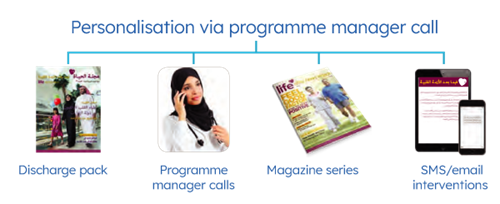
Psychoeducational support, addressing individuals’ beliefs and challenges in living with ACS, was delivered via multiple channels over a six-month program journey. Behavior change techniques empowered adherence and adoption of practical skills and positive lifestyle behaviors, including cardiac rehab attendance.
Each individual's profiling data was leveraged to personalize the content and frequency of contact, according to their specific needs.
Change
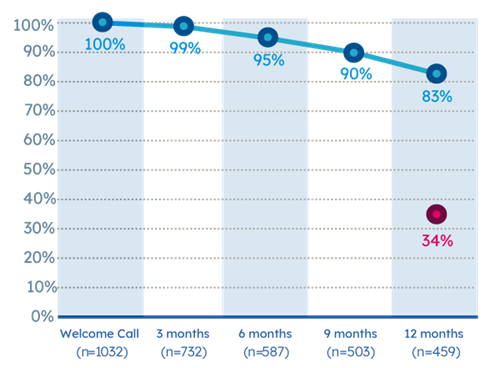
The program positively impacted OAP persistence:
- 99% at 3 months
- 95% at 6 months
- 83% at 12 months post-enrolment and treatment initiation
This compares favourably with previous data reporting on OAP persistence of 34% at 12 months.
Program participants also reported making positive lifestyle changes, with:
- 68% increasing their level of physical activity
- 78% changing their diet
- 100% had quit smoking
Markets
The programme was delivered to people living with ACS across Australia, Germany, New Zealand, United Arab Emirates, and the United Kingdom.